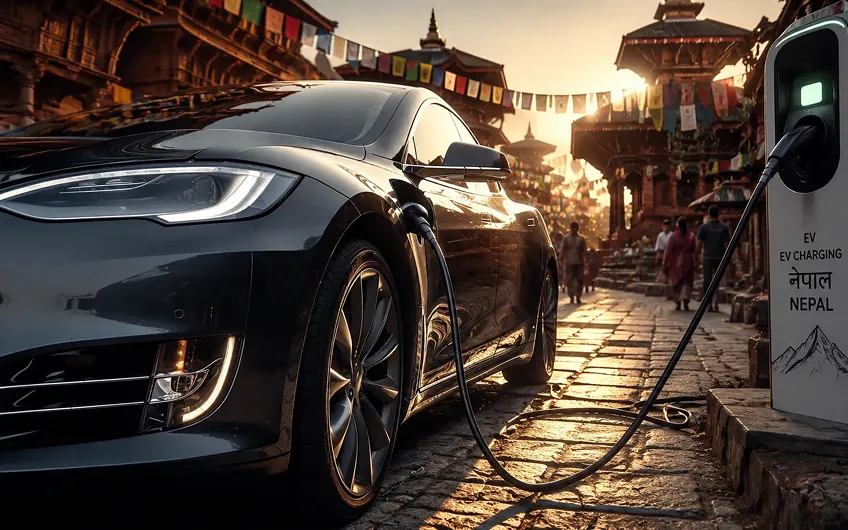
The Rise of EVs in Nepal: Benefits, Challenges, and Future Opportunities
As the electric vehicle (EV) industry continues to grow in Nepal and worldwide, the shift toward clean and sustainable transportation is becoming more visible than ever. Rising fuel prices, environmental concerns, and government support are pushing individuals and businesses toward electric mobility. EVs are no longer a future concept—they are becoming a present reality in Nepal’s transportation system.
The rise of EVs is also directly linked with the expansion of EV charging infrastructure and smart EV charging management systems. As adoption increases, Nepal is gradually moving toward a greener and more energy-efficient mobility ecosystem powered by hydropower and sustainable energy sources.
What is Driving the Rise of EVs in Nepal?
The rapid growth of electric vehicles in Nepal is driven by a combination of economic, environmental, and policy factors. EVs offer lower running costs compared to fuel-based vehicles and significantly reduce dependency on imported petroleum products.
Government tax incentives, reduced import duties, and increasing availability of EV models have also played a key role in boosting adoption. In addition, Nepal’s hydropower potential makes EVs a more sustainable and cost-effective transportation solution.
- High fuel prices and rising transportation costs :
- Government tax benefits and EV-friendly policies
- Availability of new EV models in the market
- Lower maintenance and running costs
- Environmental awareness and pollution control
Benefits of Electric Vehicles in Nepal
1. Lower Running Costs
EVs are significantly cheaper to operate compared to petrol and diesel vehicles. Electricity costs in Nepal are lower than fossil fuels, making EVs a cost-efficient option for daily commuting and commercial use.
2. Environmental Benefits
Electric vehicles produce zero tailpipe emissions, helping reduce air pollution in cities like Kathmandu. This contributes to cleaner air and a healthier environment.
3. Reduced Maintenance Costs
EVs have fewer mechanical components compared to traditional vehicles. This reduces maintenance requirements such as oil changes, engine repairs, and exhaust system servicing.
4. Energy Independence
Nepal relies heavily on imported fuel. EV adoption helps reduce dependency on fossil fuel imports and promotes the use of locally generated hydropower energy.
Challenges of EV Adoption in Nepal
Despite strong growth, EV adoption in Nepal still faces several challenges that need to be addressed for long-term sustainability.
1. Limited Charging Infrastructure
One of the biggest challenges is the lack of widespread EV charging stations, especially outside major cities. This creates range anxiety for long-distance travel.
2. High Initial Cost
Although EVs save money in the long run, the initial purchase price is still high for many consumers in Nepal.
3. Technical & Service Limitations
There is still a shortage of trained technicians and service centers for EV maintenance and repair, which affects user confidence.
4. Battery Concerns
Battery lifespan, performance in cold regions, and replacement costs remain concerns for many buyers.
Future Opportunities of EVs in Nepal
The future of electric vehicles in Nepal looks highly promising. With increasing investment in EV infrastructure, smart charging systems, and government support, Nepal is expected to become a strong EV market in South Asia.
- Expansion of EV charging stations across highways and cities
- Growth of EV charging management software and mobile apps
- Increase in electric public transport (buses and microvans)
- Improved battery technology and longer driving range
- More affordable EV models entering the market
As digital EV ecosystems grow, platforms like smart charging apps and OCPP-based EV charging systems will play a major role in managing large-scale EV networks efficiently.
Conclusion
The rise of EVs in Nepal represents a major shift toward sustainable transportation. While challenges such as infrastructure and cost still exist, the long-term benefits clearly outweigh the limitations.
With strong government support, increasing awareness, and rapid technological advancement, Nepal is on the path toward a cleaner, greener, and electric mobility future.