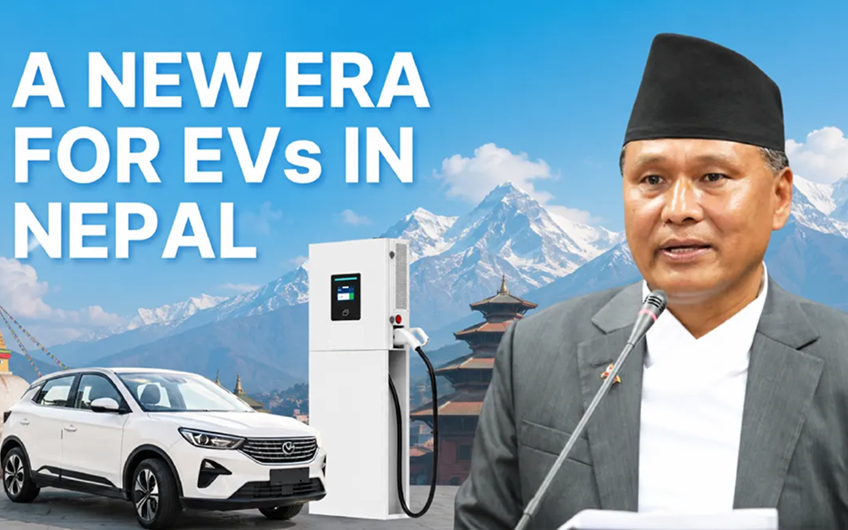
A New Era of EVs and Infrastructure in Nepal
A few years ago, electric vehicles (EVs) in Nepal were rarely seen on the roads. Most people depended heavily on petrol and diesel vehicles, while EV charging infrastructure was very limited. But rising fuel prices, increasing pollution, and the global shift toward clean energy slowly changed Nepal’s transportation industry.
Today, Nepal is experiencing a strong EV revolution. From electric scooters and cars to buses and commercial vehicles, EV adoption is growing rapidly across the country. What once seemed like future technology is now becoming part of daily life.
The growth of EVs is also increasing the demand for smart EV charging infrastructure, charging management systems, and OCPP-based technologies that help businesses manage charging networks efficiently.
The Growth of EVs in Nepal
The demand for electric vehicles in Nepal is increasing because EVs offer better long-term savings and environmentally friendly transportation solutions.
- Lower fuel and operating costs
- Eco-friendly and sustainable transportation
- Low maintenance requirements
- Government tax benefits and EV incentives
- Growing awareness about clean energy
As more EV brands enter the Nepali market, consumers are becoming more confident about switching to electric mobility.
The Rise of EV Charging Infrastructure
The expansion of EV charging infrastructure is playing a major role in Nepal’s electric mobility growth. Charging stations are now being installed in major cities, highways, hotels, parking areas, and business centers.
- Fast DC charging stations
- Smart AC charging systems
- Highway charging networks
- Commercial charging hubs
- Public and private charging stations
Fast charging technology is making long-distance EV travel easier and helping reduce range anxiety among users.
Smart Technology Behind Modern EV Networks
Modern EV charging is no longer just about plugging in a vehicle. Businesses now use smart EV Charging Management Systems (CMS) and OCPP technology to manage charging stations more efficiently.
These systems help operators:
- Monitor chargers remotely
- Manage payments and charging sessions
- Track energy usage and reports
- Control multiple charging stations
- Improve customer experience
Smart mobile apps also allow EV users to locate charging stations, monitor charging progress, and make digital payments easily.
Challenges of EV Adoption in Nepal
Despite rapid growth, Nepal still faces several challenges in building a strong EV ecosystem.
- Limited charging stations in rural areas
- High initial EV investment cost
- Shortage of trained EV technicians
- Battery performance and replacement concerns
- Infrastructure expansion challenges
However, continuous investment and technological improvements are gradually solving these issues.
The Future of EVs in Nepal
The future of electric vehicles in Nepal looks highly promising. With better infrastructure, smart charging systems, and increasing government support, Nepal is moving toward a cleaner and smarter transportation future.
- Expansion of highway charging stations
- Growth of EV charging software and mobile apps
- Solar-powered and smart charging systems
- Increase in electric public transportation
- Improved battery technology and charging speed
Nepal’s strong hydropower potential also creates a major opportunity to power EVs using clean and sustainable local energy.
Conclusion
The rise of EVs and charging infrastructure in Nepal represents a major transformation in the transportation sector. While challenges still exist, the long-term benefits of electric mobility continue to drive rapid growth.
With increasing awareness, government support, and smart EV technologies, Nepal is steadily moving toward a greener, cleaner, and fully electric future.